

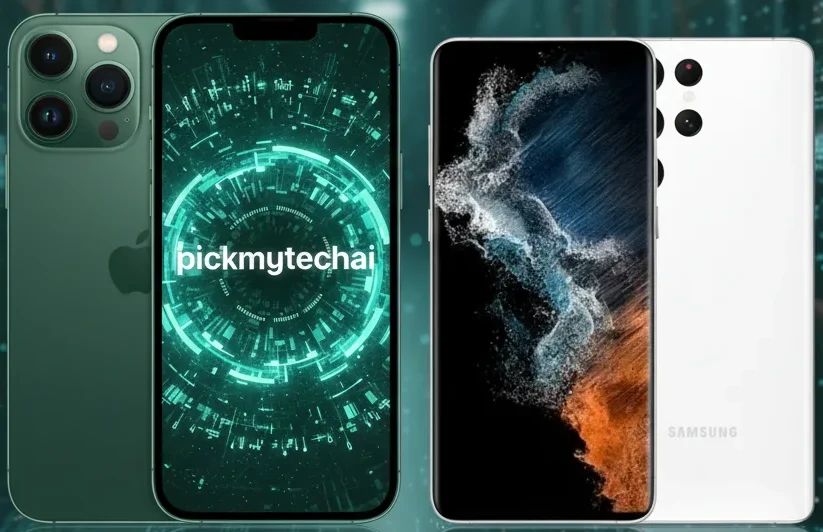
Even though both of these phones came out a few years ago, the iPhone 13 Pro Max and Samsung Galaxy S22 Ultra are still talked about a lot in 2025. And honestly, that’s for a good reason. They were built as premium flagships, and they’ve aged pretty well.
The iPhone has Apple’s polish, long-term software support, and some of the best video recording you’ll find on a phone. The Galaxy S22 Ultra, on the other hand, gives you a huge screen, S Pen support, and crazy zoom for photos. Both are strong, but the right choice really depends on how you use your phone.
Let’s go through the differences without overcomplicating things.
iPhone 13 Pro Max vs Samsung Galaxy S22 Ultra Displays That Still Impress
The iPhone 13 Pro Max has a 6.7-inch screen that’s sharp, bright, and very color-accurate. Apple’s ProMotion 120Hz refresh rate makes scrolling through apps or reading articles smooth and pleasant.
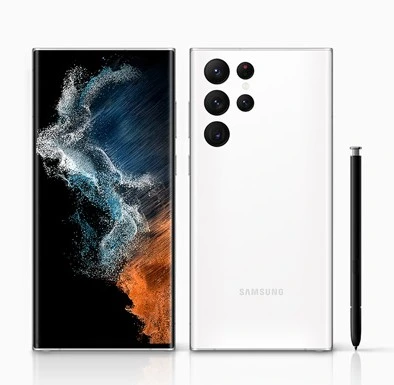
The Galaxy S22 Ultra goes slightly bigger at 6.8 inches and adds QHD+ resolution. That means sharper detail and better outdoor visibility. Plus, you get the S Pen built in, which is actually handy. Whether you’re jotting down notes, sketching, or just using it as a remote shutter for the camera, it gives the phone an edge the iPhone doesn’t offer.
If you love accurate colors and a clean viewing experience, the iPhone delivers. But if you’re someone who appreciates extra screen space and the usefulness of a stylus, Samsung is the one to lean toward.
Everyday Performance
Apple’s A15 Bionic chip may not be the newest anymore, but it’s still fast. Apps open quickly, games run smoothly, and iOS makes everything feel snappy. Even with “only” 6GB RAM, the phone rarely struggles because Apple’s software is so tightly optimized.
The Galaxy S22 Ultra runs on Snapdragon 8 Gen 1 (or Exynos in some regions) with up to 12GB RAM. It’s no slouch either. In fact, if you’re someone who likes to keep multiple apps open at the same time or use split-screen mode, Samsung feels more comfortable thanks to the extra memory.
So, if you want pure efficiency and smoothness, the iPhone is still hard to beat. But if you live for multitasking, Samsung has the edge.
Cameras: Video vs. Photos
This is where the two really split.
The iPhone 13 Pro Max is best known for video. Stabilization is rock-solid, colors look natural, and the cinematic video mode still holds up today. A lot of YouTubers and content creators continue to use iPhones just for that reason.
The Galaxy S22 Ultra is all about versatility. Its 108MP main camera, ultra-wide, and periscope zoom can cover everything from sweeping landscapes to far-away subjects. That 100x zoom is more of a party trick, but the 10x optical zoom is genuinely useful.
To put it simply: if you shoot more videos, the iPhone is the safer bet. If you’re into photography and love experimenting, Samsung gives you more tools to play with.
Battery and Charging
Battery life is solid on both, but they handle charging differently.
The iPhone’s 4,352mAh battery, combined with iOS optimization, easily gets through a full day. The only letdown is the charging speed—it feels slow compared to modern standards.
The Galaxy S22 Ultra packs a larger 5,000mAh cell and supports 45W fast charging. That means even a short charge before heading out gives you hours of use. For people constantly on the move, that’s a big win.
Apple takes the prize for standby time and efficiency. Samsung clearly wins if charging speed matters to you.
Software and Ecosystem
Here’s where personal preference plays the biggest role.
The iPhone 13 Pro Max runs iOS, which is simple, stable, and gets updates for many years. If you already use a MacBook, iPad, or AirPods, the ecosystem makes daily life easier. Things like AirDrop, FaceTime, and iMessage aren’t flashy features, but once you’re used to them, it’s hard to give them up.
The Galaxy S22 Ultra runs Android with Samsung’s One UI. It offers more freedom—you can customize the look, add widgets, and change the way the phone works to suit you. The S Pen also makes it more than just a phone. Samsung’s DeX mode even lets you plug it into a monitor and use it like a computer.
So, iPhone is about stability and a polished experience. Samsung is about flexibility and productivity.
Pros and Cons
iPhone 13 Pro Max
- Excellent for video recording
- Smooth, reliable performance
- Long software support
- Premium build
- Slower charging
- No S Pen
Samsung Galaxy S22 Ultra
- Bigger battery with faster charging
- S Pen included
- Versatile camera system
- Large, sharp display
- ❌ Bulkier and heavier
- ❌ Shorter software update window
Final Thoughts
Both phones are still great choices in 2025. The one you should pick depends on what matters more to you.
- Choose the iPhone 13 Pro Max if you want smooth day-to-day performance, excellent video quality, and a phone that will keep getting updates for years. It’s also the best option if you’re already in the Apple ecosystem.
- Go for the Samsung Galaxy S22 Ultra if you need a bigger screen, faster charging, more camera flexibility, and the productivity boost of the S Pen.
At the end of the day, neither choice is wrong. It really comes down to whether you prefer the simplicity of iOS or the flexibility of Android.
For top-tier mobile gaming alternatives, consider the Red Magic 9 Pro.